
Posted in Uncategorized
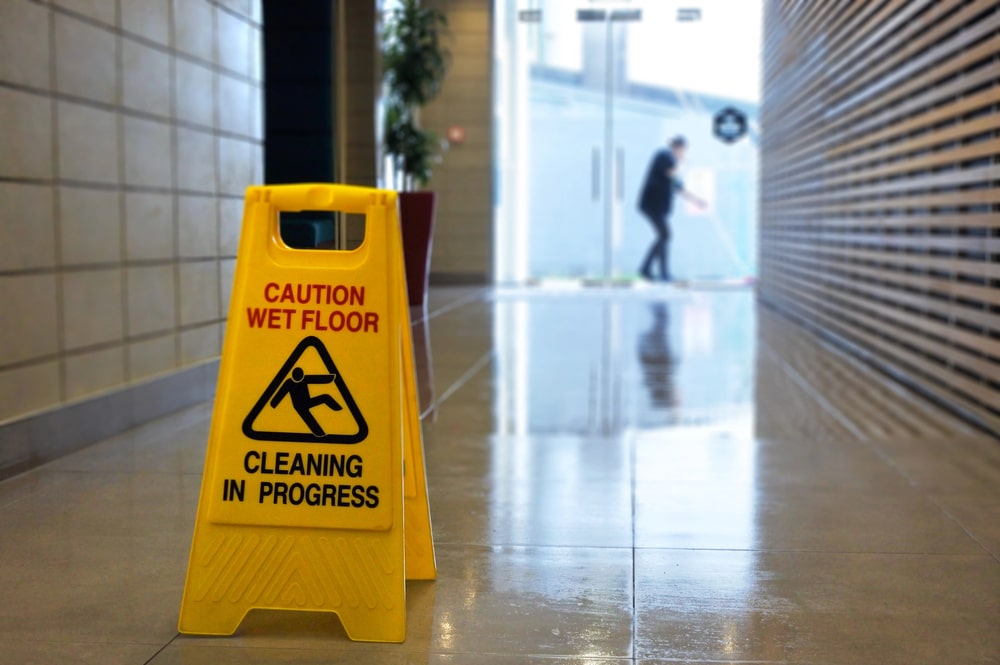
When someone gets hurt on another person’s property, negligence becomes the central question in any legal claim. Property owners in Wyoming have specific responsibilities to maintain safe conditions for visitors. What constitutes negligence can make the difference between a successful claim and a dismissed case.
The Four Elements Of Negligence
Wyoming courts require injured parties to prove four distinct elements to establish negligence in premises liability cases. You need all four. Miss one, and your claim won’t succeed.
Duty of care exists when a property owner has a legal obligation to maintain reasonably safe conditions. This duty changes based on why you’re on the property. Guests receive the highest level of protection. Trespassers? They generally receive the least.
Breach of duty happens when the owner fails to meet their obligation. Maybe they ignored a known hazard. Perhaps they didn’t inspect the property regularly. They might’ve failed to warn visitors about dangers.
Causation links the breach directly to your injury. You’ve got to show that the property owner’s failure directly caused your fall and the harm that followed. This connection matters more than people realize.
Damages represent your actual losses. Without provable injuries and associated costs, there’s no claim. Period. Doesn’t matter how negligent the property owner was.
Different Standards For Different Visitors
Wyoming law recognizes different categories of visitors. Each receives a different level of protection, and understanding where you fit matters tremendously. Business invitees, like customers in stores, receive the highest duty of care. Property owners must regularly inspect for hazards and either fix them or provide adequate warnings. They can’t just wait for someone to point out problems. Licensees are social guests who have permission to be on the property. Owners must warn them about known dangers, but don’t have to inspect for hidden hazards. The responsibility shifts somewhat. Trespassers receive minimal protection under the law. Property owners generally owe them no duty except to avoid willful or wanton conduct that could cause harm.
Proving The Owner Knew About The Hazard
This is where many slip and fall cases get complicated. You’ve got to prove the property owner knew or should have known about the dangerous condition. Davis & Johnson Law Office helps clients gather evidence to establish this knowledge, which isn’t always straightforward. Actual knowledge means the owner was directly aware of the hazard. An employee saw a spill but did nothing. That creates actual knowledge for the business owner. Constructive knowledge applies when the hazard existed long enough that a reasonable inspection would’ve discovered it. Think about a puddle that sat for hours in a high-traffic area. That suggests constructive knowledge, even if nobody specifically reported it.
Common Examples Of Negligent Maintenance
Property owners become negligent when they fail to address hazardous conditions that lead to falls. Some situations clearly demonstrate this failure:
- Broken or uneven flooring that goes unrepaired
- Inadequate lighting in stairwells or parking areas
- Failure to clean up spills within a reasonable timeframe
- Missing or damaged handrails on stairs
- Accumulated ice or snow without proper treatment
- Torn carpeting or floor mats that create tripping hazards
- Debris left in walkways without warning signs
You’d be surprised how often these preventable hazards cause serious injuries.
The Reasonable Property Owner Standard
Wyoming courts evaluate negligence based on what a reasonable property owner would do under similar circumstances. This standard considers the type of property, expected traffic, and available resources for maintenance. A large retail chain faces different expectations than a small family-owned business, and rightfully so. The reasonable owner would conduct regular inspections. They’d document maintenance activities. Training employees to identify hazards becomes part of the equation. Responding promptly to reported problems matters. Maintaining adequate insurance coverage rounds out the responsibilities.
When Property Owners Have Valid Defenses
Not every fall results from negligence. That’s an important distinction. Property owners can defend against claims by showing the hazard was open and obvious to any reasonable person. Wyoming law generally doesn’t require warnings for conditions that visitors should notice on their own. Comparative negligence also plays a significant role. If you were partially at fault for your own fall, perhaps by ignoring warning signs or walking in a restricted area, your compensation gets reduced by your percentage of fault. This can substantially impact what you recover.
Getting Help With Your Claim
Establishing property owner negligence requires understanding Wyoming premises liability law and gathering the right evidence. A Wyoming slip and fall lawyer can investigate your accident, identify liable parties, and build a strong compensation case. Documentation matters significantly in these cases. Photos of the accident scene tell part of the story. Maintenance records showing the owner’s history of addressing hazards provide another piece. Witness statements add credibility. Medical records establish your injuries and treatment. If you suffered injuries on someone else’s property, understanding your legal options starts with a thorough evaluation of how the owner’s actions or inactions contributed to your accident. The sooner you act, the better your chances of preserving evidence and building a compelling case.