
Posted in Uncategorized
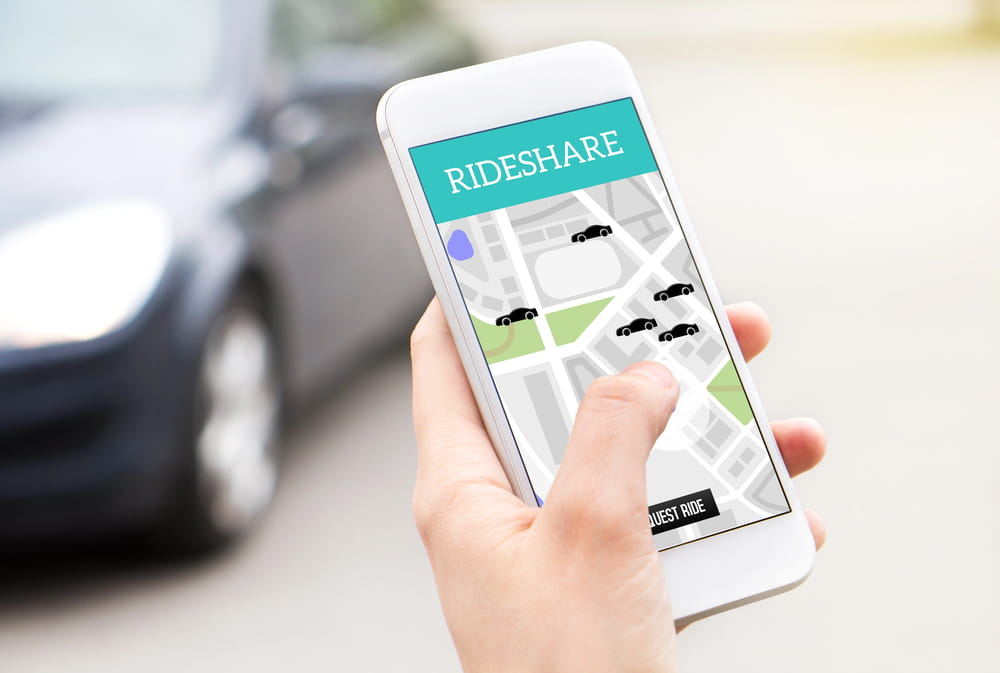
Driving for Uber or Lyft seems straightforward enough until an accident happens and the question of who covers what becomes genuinely complicated. Rideshare drivers occupy an unusual legal position. They are not employees in the traditional sense. They are independent contractors who use their personal vehicles to perform commercial work, and that classification creates insurance and liability questions that a standard employee injured on the job simply does not face.
Our friends at Commonwealth Legal Group, PC discuss rideshare driver injury cases with drivers who discover, often for the first time after a crash, that the protections they assumed existed are more limited or conditional than they expected. A Car Accident Lawyer handling an injured rideshare driver claim will tell you that the outcome depends heavily on what the driver was doing on the app at the moment of the accident and what insurance coverage was active at that time.
The Independent Contractor Problem
Because Uber and Lyft classify their drivers as independent contractors rather than employees, workers’ compensation does not apply in most states the same way it would for a traditional employee. An employee hurt on the job can file a workers’ comp claim regardless of fault. A rideshare driver is generally not entitled to that protection through the platform, though some states have begun pushing back on this classification through legislation.
The National Labor Relations Board has addressed questions about gig economy worker classification, and those ongoing legal and regulatory debates reflect just how unsettled the employment status question remains for drivers on these platforms.
Insurance Coverage and the Three-Phase Structure
The same app status framework that applies to passenger injury claims also governs how coverage works for injured drivers. There are three distinct phases, and each triggers a different insurance situation.
When the app is off, the driver is treated as any private motorist. Their personal auto insurance is the only coverage in play, and that policy may exclude coverage for commercial activity, depending on how it is written.
When the app is on but no ride has been accepted, Uber and Lyft provide contingent liability coverage that is lower than their full commercial policy limits. If the driver’s personal insurer denies a claim because the driver was using the vehicle commercially, this contingent coverage from the platform may fill the gap for third-party claims, but the protections for the driver themselves are limited.
When a ride has been accepted and the driver is en route to pick up a passenger or actively transporting one, both platforms provide their highest level of coverage. This includes up to one million dollars in liability coverage per incident and, importantly, uninsured and underinsured motorist coverage and contingent comprehensive and collision coverage if the driver carries those protections on their personal policy.
What an Injured Driver’s Options Look Like in Practice
When a rideshare driver is injured in an accident caused by another driver, the analysis mirrors a standard motor vehicle injury claim. The at-fault driver’s insurance is the primary source of compensation. If that coverage is inadequate, the rideshare platform’s uninsured and underinsured motorist coverage may supplement it, depending on the app status at the time of the crash.
When the rideshare driver was at fault or the accident involved only the driver’s own vehicle, the picture is more limited. Personal auto insurance, the platform’s contingent coverage, and whatever health insurance the driver carries become the relevant sources of coverage.
Key steps that protect an injured rideshare driver’s claim include:
- Documenting the app status at the exact time of the crash through screenshots or platform records
- Calling law enforcement and making sure a police report is filed
- Seeking medical evaluation right away, regardless of how the injury feels initially
- Notifying both the rideshare platform and personal insurer of the accident promptly
- Avoiding recorded statements to any insurer before consulting with an attorney
- Keeping records of all lost earnings during recovery, since income losses as a contractor may not be reimbursed automatically
The Lost Income Question
Injured rideshare drivers face a challenge that traditional employees do not. Without workers’ compensation covering a portion of lost wages, income losses during recovery fall entirely on the driver unless a personal injury claim against an at-fault third party succeeds. Documenting earnings history through the platform, tax filings, and driving records from the months before the injury is essential for accurately calculating and pursuing lost income as part of a personal injury claim.
Getting the Help You Need After an Accident
If you drive for Uber or Lyft and were injured in an accident while working, the insurance and legal questions involved are more involved than a standard car accident claim. Our team works with injured rideshare drivers to evaluate the coverage situation, identify all available sources of compensation, and build a claim that accounts for both immediate losses and ongoing impacts on your ability to earn income. Reach out to us so we can review what happened and help you understand your options.