
Posted in Uncategorized
Not every fall on someone else’s property leads to a valid legal claim. Whether you slipped in a grocery store, tripped on a broken sidewalk, or were hurt at a commercial facility, legal responsibility comes down to a specific set of factors under Wyoming premises liability law. Understanding those factors early can make a significant difference in how your case unfolds.
The Duty of Care Property Owners Owe
Property owners in Wyoming have a legal obligation to keep their premises reasonably safe for visitors. This duty applies to businesses, private landowners, landlords, and in some cases, government entities. The level of that duty depends on why you were on the property in the first place:
- Business invitees such as customers, clients, and delivery workers are owed the highest standard of care
- Social guests are owed a reasonable duty to be warned of known dangers
- Trespassers generally receive limited legal protection, though exceptions exist for children
If you were lawfully on the property and were injured, the owner almost certainly owed you a duty of care. That is the starting point for any premises liability claim.
What You Have to Prove
A duty of care alone does not make a case. You also have to show that the owner breached that duty and that the breach directly caused your injuries.
This typically requires establishing three things. First, the owner knew about the hazard, or reasonably should have known. A spill that happened moments before a fall is harder to attribute to an owner than one that sat unaddressed for hours. Maintenance records, surveillance footage, and employee testimony often tell that story clearly.
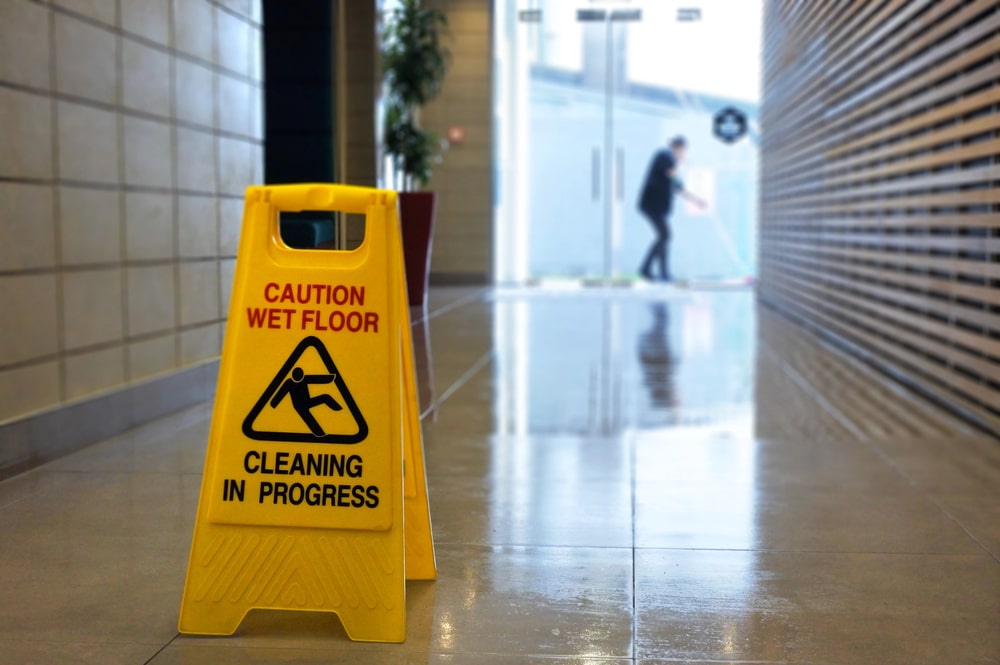
Second, the hazard was not addressed or marked. If no warning sign was placed and no corrective action was taken, that inaction can constitute negligence under Wyoming law.
Third, the hazard caused the specific injury you suffered. Medical records, documentation from the scene, and witness accounts all help establish that connection.
Common Conditions That Create Liability
Property owners frequently become legally responsible for injuries involving:
- Wet or slippery floors without posted warning signs
- Uneven pavement, broken steps, or loose handrails
- Poor lighting in stairwells, hallways, or parking areas
- Ice or snow left uncleared on walkways and entryways
- Torn carpeting, loose floor mats, or cluttered pathways
These are conditions a reasonable property owner would correct or flag for visitors. Failing to do so moves the situation from inconvenience into negligence.
How Wyoming’s Comparative Fault Rules Apply
Wyoming follows a comparative fault system. If you were partially responsible for the fall, your compensation can be reduced by your percentage of fault. If you were found 25% at fault, your total damages would be reduced by that amount. Insurance companies will look for any opportunity to shift blame onto the injured party, which is why how a case is documented and presented from the beginning matters.
According to Wyoming personal injury statutes, injured parties generally have four years from the date of the incident to file a claim. Waiting too long makes evidence harder to gather and timelines harder to establish.
Working With an Attorney on Your Claim
Understanding when a property owner is legally responsible is one thing. Building a claim that holds up under scrutiny is another. A Wyoming slip and fall lawyer can evaluate your situation, gather the right evidence, and help you understand what your claim may realistically be worth.
Davis & Johnson Law Office has represented injured Wyoming residents in premises liability cases for over a decade. If you were hurt on someone else’s property and have questions about your options, contact our team today. We will review the facts of your situation and give you an honest assessment of how to move forward.