
Posted in Uncategorized
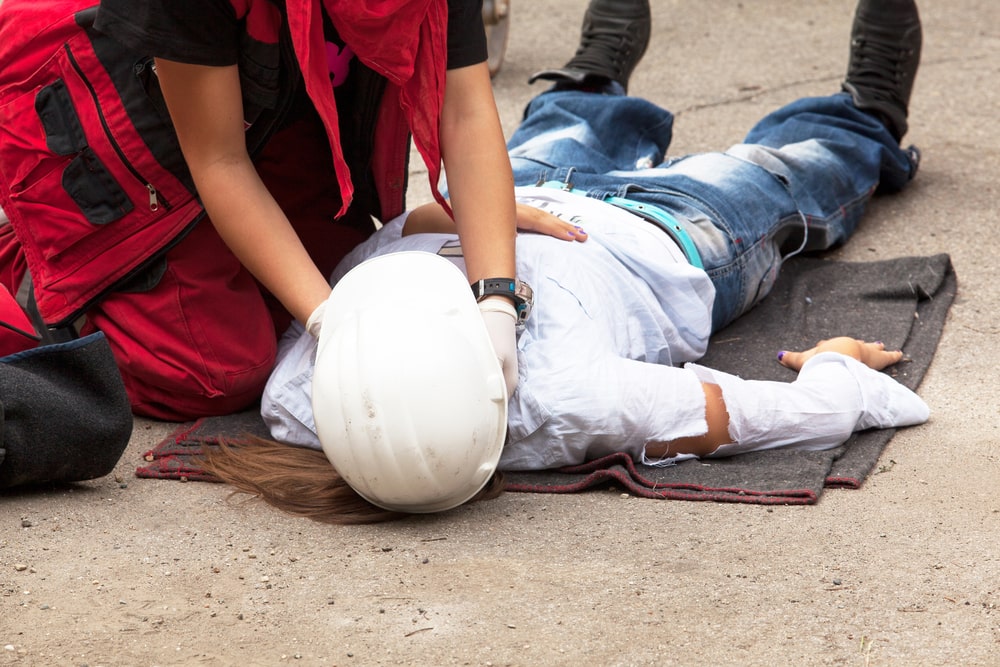
Construction, oil and gas, and industrial work drive a significant portion of Natrona County’s economy. These jobs also produce some of Wyoming’s most serious workplace injuries. Falls from scaffolding, equipment malfunctions, struck-by incidents, and toxic exposures don’t just cause pain. They disrupt lives, create lasting physical limitations, and generate medical bills and lost income that workers shouldn’t have to absorb on their own. Casper workers in these industries should understand what Wyoming law provides and when their claim might go beyond what workers’ compensation covers.
How Wyoming Workers’ Compensation Covers Construction and Industrial Injuries
Wyoming’s workers’ compensation system, administered under Wyoming Statute § 27-14-101 et seq., is an employer-funded insurance program that provides benefits to employees who suffer work-related injuries or illnesses. Coverage is mandatory for most Wyoming employers.
For construction and industrial workers, covered injuries include:
- Falls from ladders, scaffolding, roofs, and elevated work surfaces
- Equipment and machinery accidents including crushing injuries and amputations
- Struck-by incidents involving falling tools, materials, or other objects
- Repetitive stress injuries from tasks like operating heavy equipment or assembly work
- Exposure to toxic substances including chemicals, silica dust, and asbestos
- Traumatic brain injuries and spinal cord damage from high-force impacts
Benefits available through Wyoming workers’ compensation include medical treatment, temporary total disability payments while unable to work, permanent partial disability compensation for lasting impairment, and vocational rehabilitation when injury prevents returning to the prior trade.
What Workers’ Compensation Does Not Cover
This matters. Wyoming workers’ compensation does not compensate for pain and suffering, emotional distress, or the full scope of non-economic losses that a serious injury produces. Benefits are calculated based on medical costs and a percentage of lost wages, not on what the injury actually cost in terms of quality of life and long-term consequences.
For workers whose injuries produce permanent limitations, this gap between workers’ compensation benefits and full compensation can be significant.
When Third-Party Claims Add a Different Dimension
Wyoming workers’ compensation bars injured employees from suing their employer directly in most circumstances. But it doesn’t bar claims against third parties whose negligence contributed to the injury. In construction and industrial settings, third-party claims come up regularly:
- A subcontractor whose workers created a hazardous condition that injured an employee of another contractor
- A manufacturer whose defective equipment failed and caused the injury
- A property owner who maintained unsafe site conditions
- A maintenance company that failed to properly service equipment
These third-party personal injury claims are not subject to workers’ compensation’s limitations. They can recover pain and suffering, full lost earning capacity, and the complete damages picture that workers’ comp doesn’t reach.
A Casper workplace injury lawyer at Davis & Johnson Law Office evaluates both the workers’ compensation claim and any potential third-party claims from the beginning, identifying every source of recovery available for the injured worker.
Acting Quickly Protects Both Claims
Wyoming requires injured workers to report workplace injuries to their employer promptly. Delays in reporting can complicate or jeopardize the workers’ compensation claim. On the third-party side, evidence at construction and industrial sites is often disturbed or cleaned up quickly after an incident. Getting legal guidance early protects both tracks of recovery.
Davis & Johnson Law Office has spent over 50 years representing injured workers throughout Wyoming, including Casper and Natrona County. Reach out to a Casper workplace injury lawyer to discuss what happened and what your injury claim may involve.